SELF GUIDED DIVE AND SNORKEL
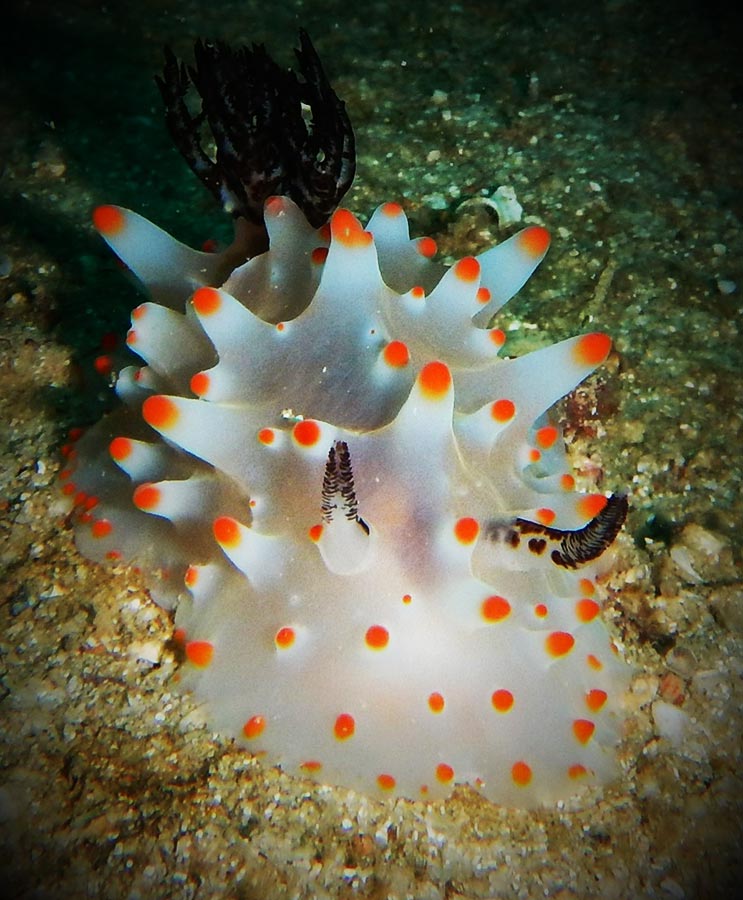
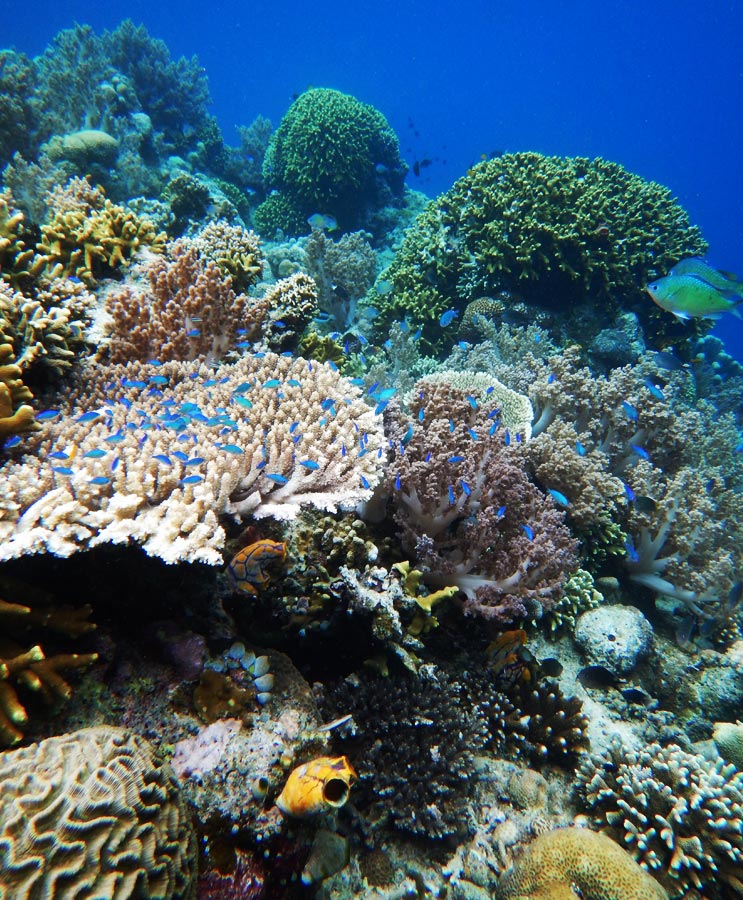
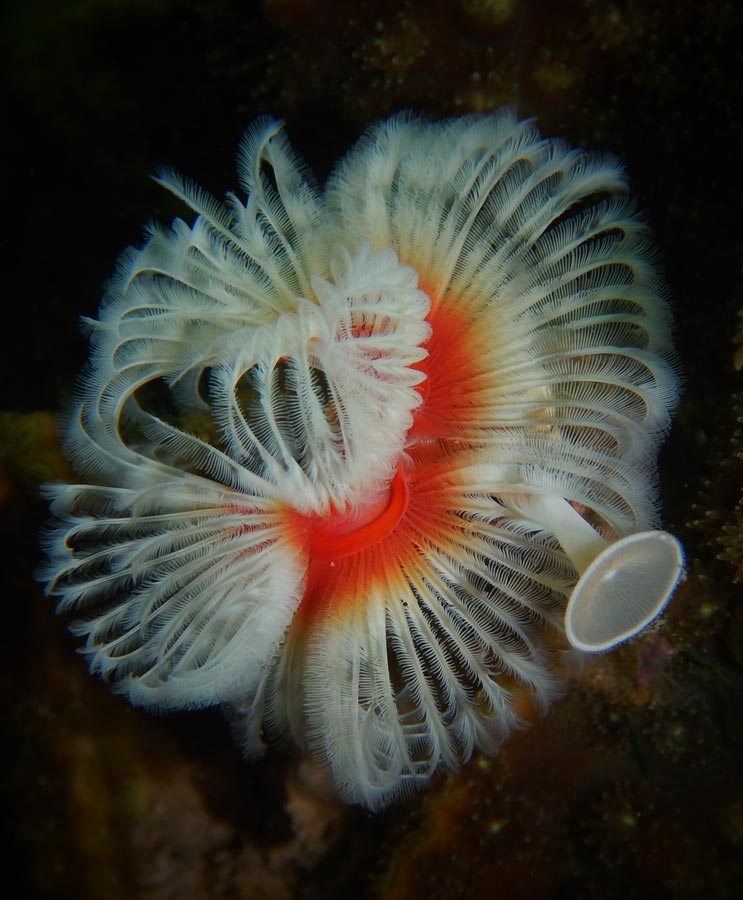
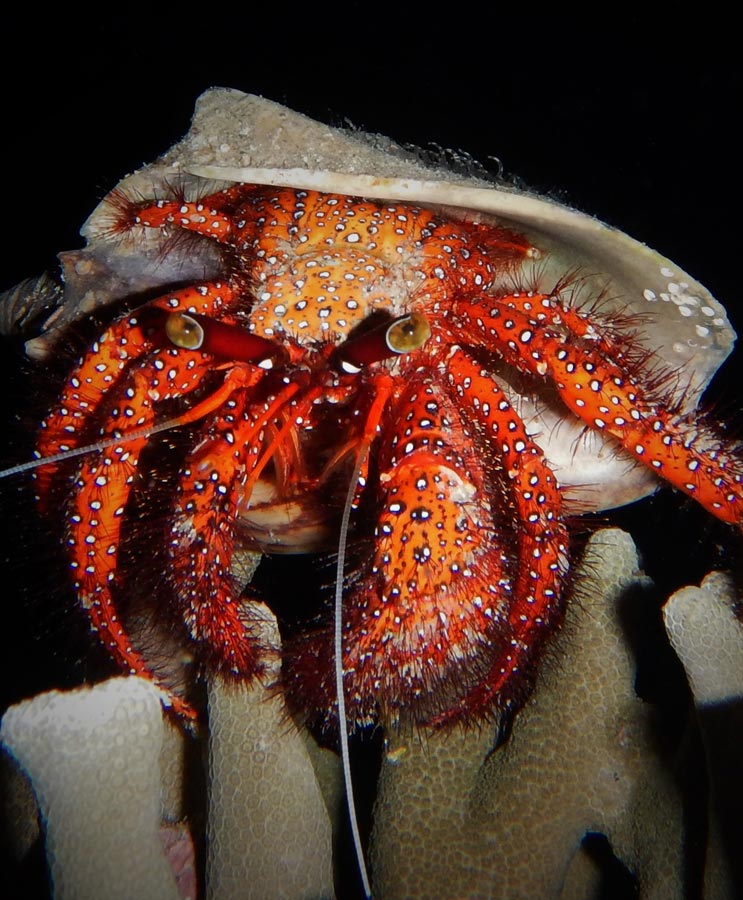
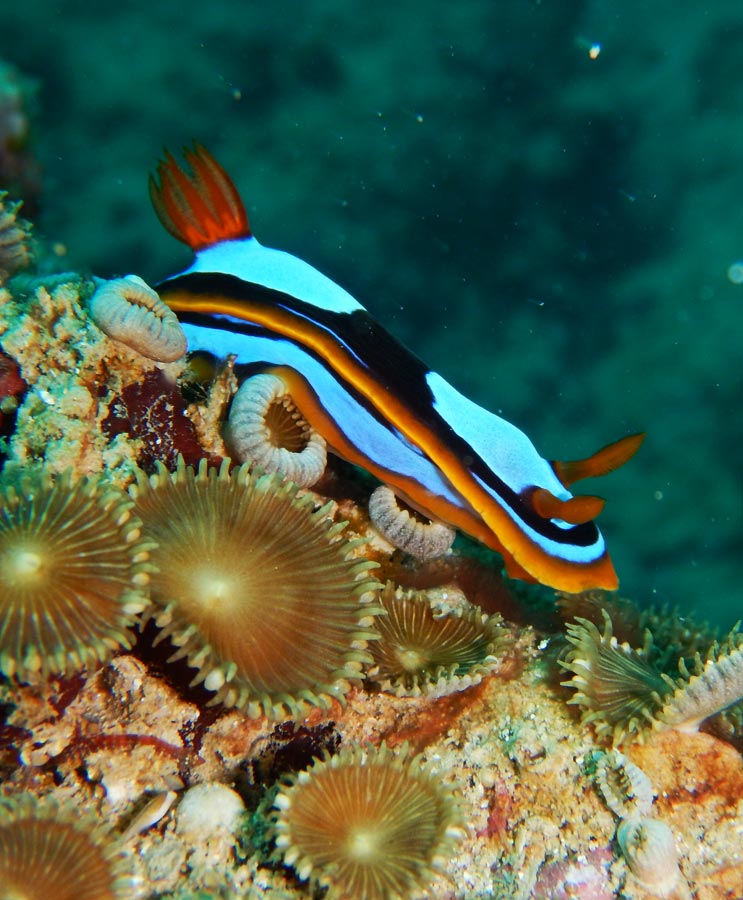
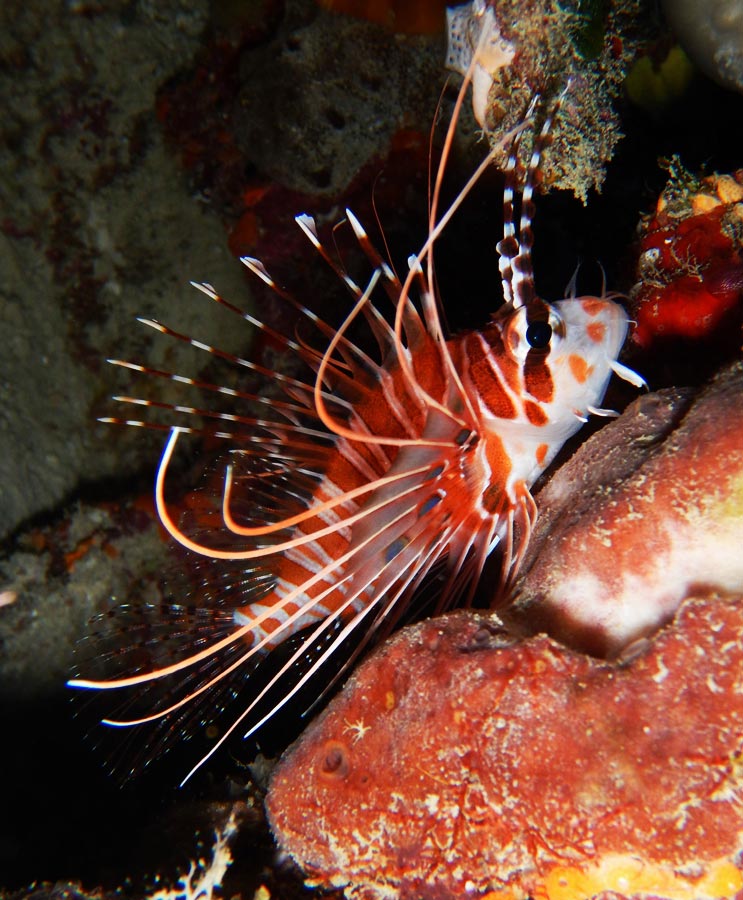
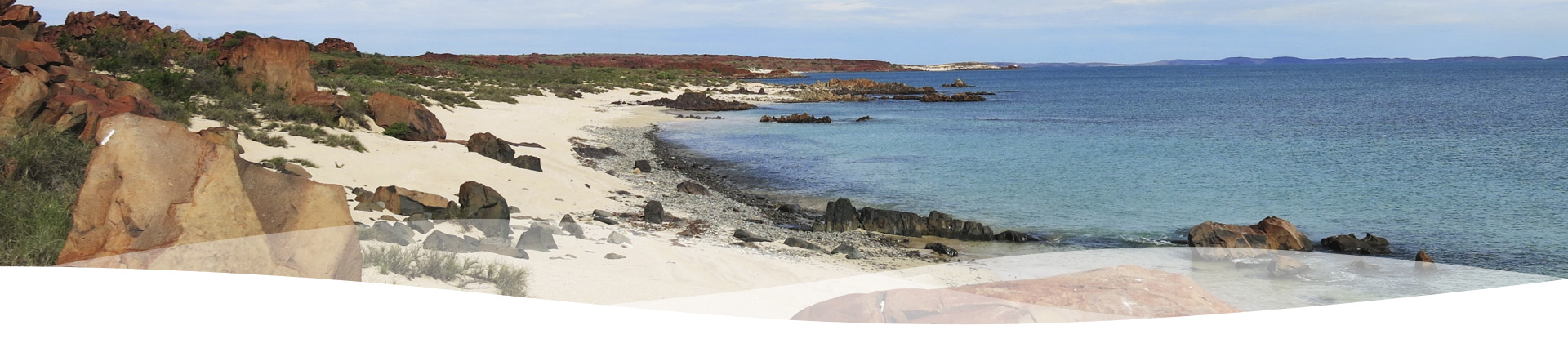
The Pilbara coastline is scattered with beautiful beaches, mangrove forests and red rocky hills. Beneath the coastal waters there is a diverse marine environment to be explored. Dive or snorkel at one or more of the below locations to discover an array of hard and soft corals, tropical fish, turtles, rays, nudibranchs and more.
Burrup Peninsula Shore Diving and Snorkeling Sites
The Burrup Peninsula in the north-west of Western Australia is close to the town of Dampier and the City of Karratha. Dive and snorkel sites here border UNESCO World Heritage listed Murujuga National Park. The park is home to the largest and most diverse collection of petroglyphs (rock art) in the world. The petroglyphs capture at least 47,000 years of human existence. On your way to or from the dive and snorkel sites you can explore the art and information along 700m boardwalk at Ngajarli (off the Hearson’s Cove Road).
Murujuga means “Hip Bone Sticking Out” in the Ngarluma-Yaburara language. It refers to the 42 islands of the Dampier Archipelago, Burrup Peninsula and Murujuga National Park.
Site 1: Withnell Bay
Withnell Bay lies on the south-western edge of the Murujuga National Park and is located a short 25 minute drive from Karratha’s city centre. Access the bay by turning left at the end of Withnell Bay Road onto the dirt track. A four wheel or all-wheel drive is recommended to drive into Withnell Bay.
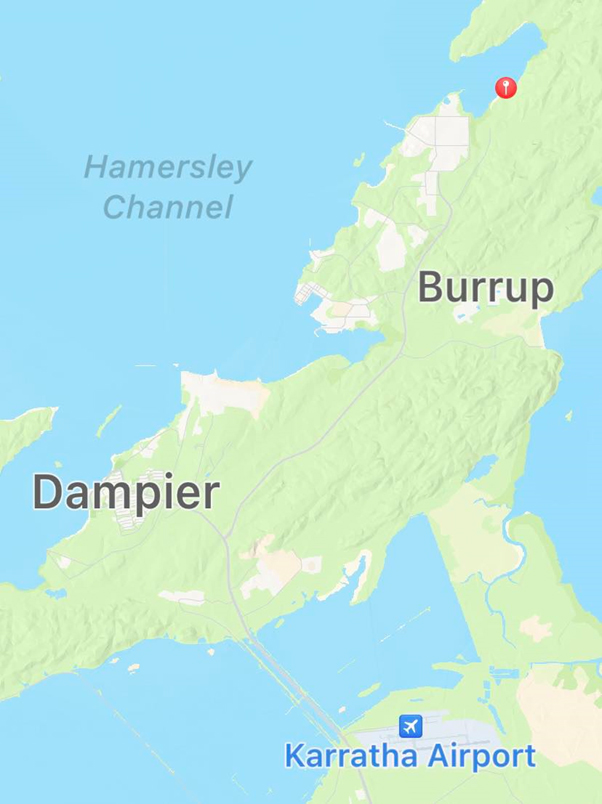
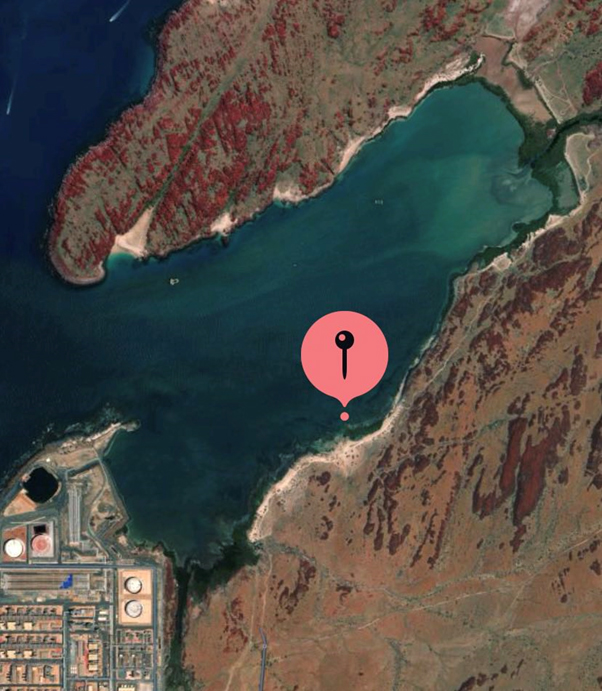
Where to dive and snorkel:
The easiest entry into the water is to the right (if looking out to sea) of the sand boat ramp. There is a sandy entrance amongst the rocks that leads in a northerly direction into the bay. The dive and snorkel site is directly in front of the mangroves. Scuba diving is best done on the slack of the high tide, whilst snorkeling is better at low tide. Be mindful of protecting our fragile ecosystems, please do not stand on or touch the coral.
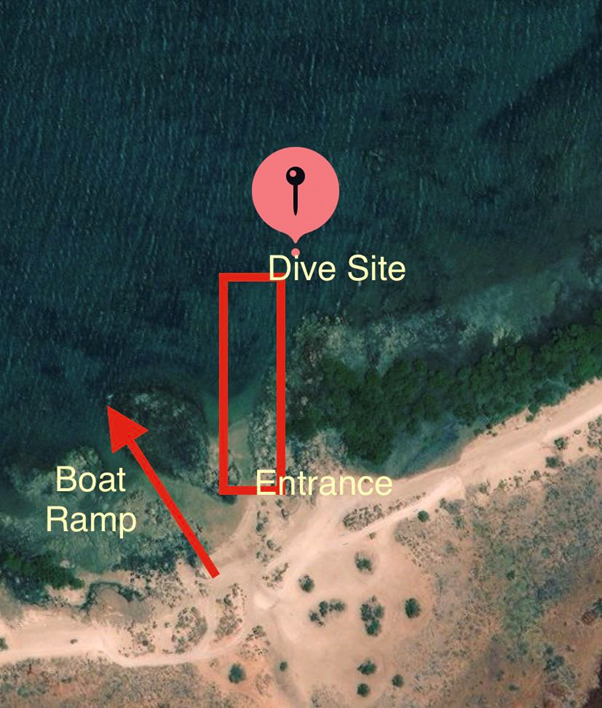
Site Briefing:
At high tide the maximum depth in this area is 5 to 6m. The site consists of a sandy bottom with small corals and some weedy patches closer to shore increasing in coral density slightly further out.
Commonly seen at this site are anemones, small rays, nudibranchs and many species of tropical fish. You may also encounter turtles and larger rays.
Visibility during the warmer months is generally less than 5m and in the cooler months up to 10m.
The water temperature is coolest in July / August dipping down to 21oC and warmest in January / February reaching 30oC.
Typically, the boat traffic on Withnell Bay is greater on weekends, with most heading directly out of the bay. However, some boats will explore the bay so it is imperative that a dive flag is displayed while divers are in the water.
Site 2: Pebbles Beach
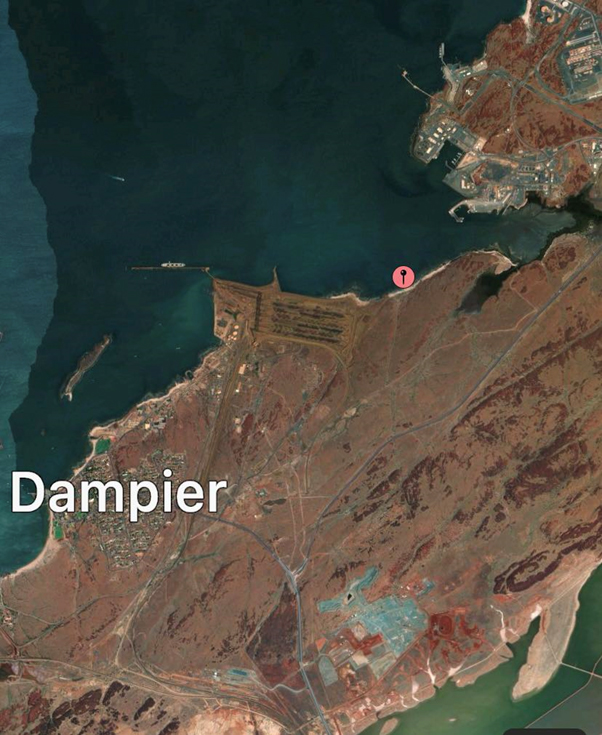
Pebbles Beach is located on the shores of King Bay on the Western side of the Burrup Peninsula. It is approximately a 30 min drive from the centre of Karratha or 4.3km from the traffic lights at the intersection of Dampier Highway and Burrup Road. Access the beach by turning left off the Burrup Road onto the dirt track which veers off to the left. A four wheel or all-wheel drive is required to drive this track.
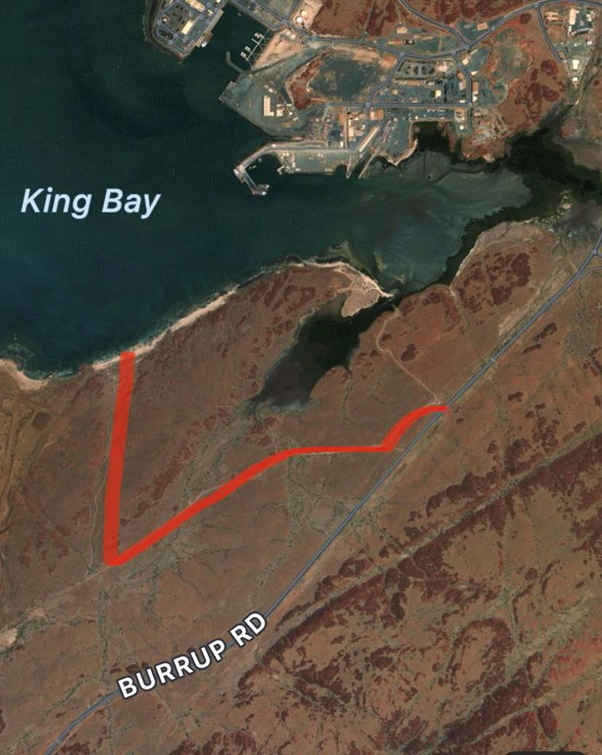
Where to dive and snorkel:
Entry into the water is anywhere along the beach close to the track exit. The dive and snorkel site runs parallel along the beach approximately 50m from the shore. Scuba diving is best done on the slack of the high tide, whilst snorkeling is better at low tide. Be mindful of protecting our fragile ecosystems, please do not stand on or touch the coral.
Site Briefing:
At high tide the maximum depth in this area is 5 to 6m. The site consists of large rocks close to shore with a sandy bottom, small corals and some weedy patches. Further out the coral coverage is denser with a high chance of seeing anemones, small rays and many species of tropical fish. You may also encounter turtles, nudibranchs, epaulette sharks and larger rays including manta rays.
Visibility during the warmer months is generally less than 5m and in the cooler months up to 10m.
The water temperature is coolest in July / August dipping down to 21oC and warmest in January / February reaching 30oC.
Boating, snorkeling, swimming, and fishing are all popular activities in this area so whilst diving please display a dive flag.